Source control first
The water supply is stopped before extraction begins—by you or the appropriate trade. Extraction never replaces plumbing, roofing or structural repair.

Service guide · Water extraction
Remove standing water and saturated materials after the source is stopped, then prepare the structure for drying.
Tell the quote team your address, water source and affected rooms. Confirm service availability and written terms.
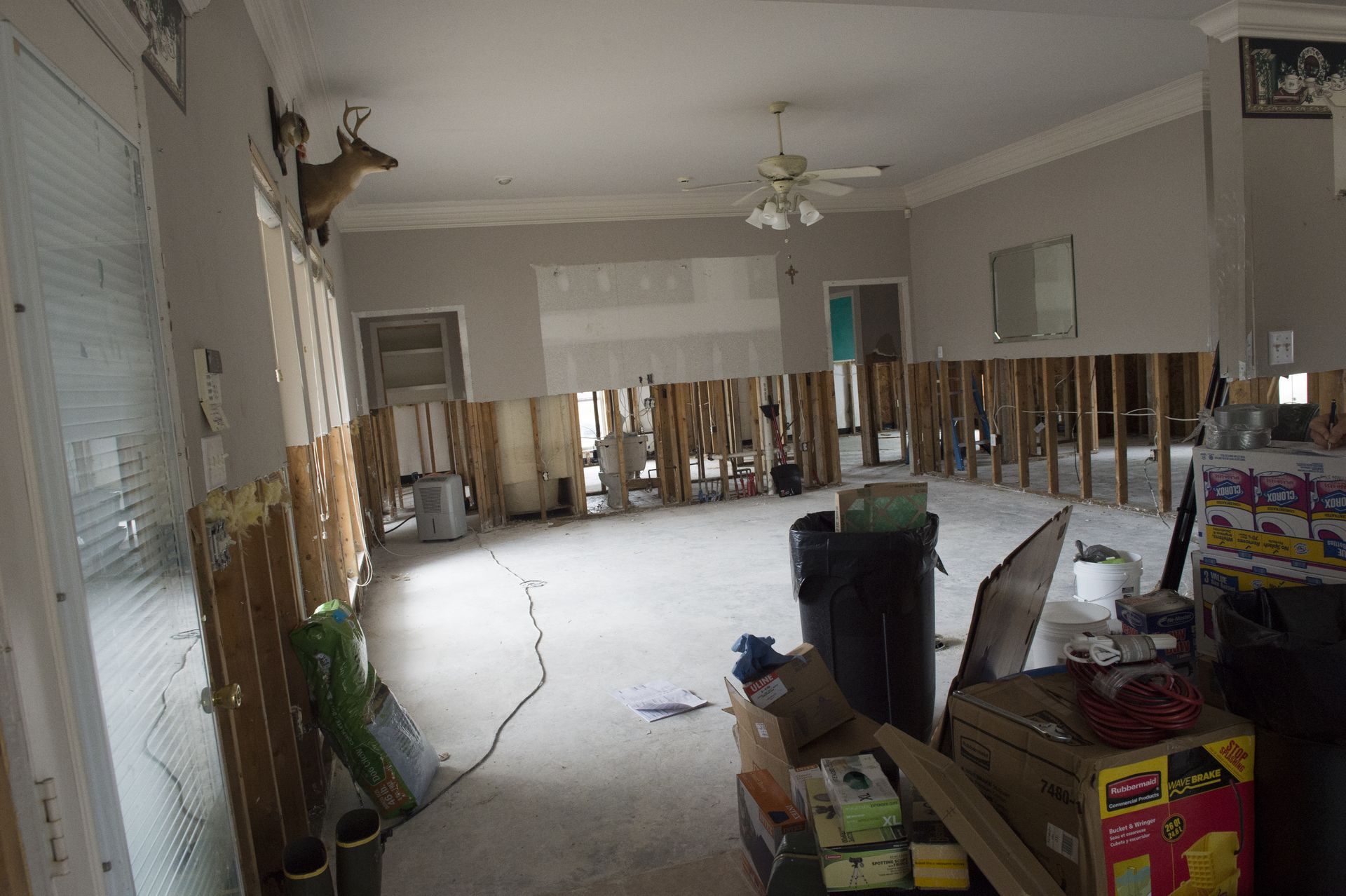
A defined mechanical step with clear boundaries.
The water supply is stopped before extraction begins—by you or the appropriate trade. Extraction never replaces plumbing, roofing or structural repair.
Pumps and extractors lift pooled water. Soaked carpet, pad, wallboard and insulation come out when a qualified assessment determines they will not dry in place.
Extraction ends when airflow can reach the remaining materials. Drying equipment and moisture readings take over from there.
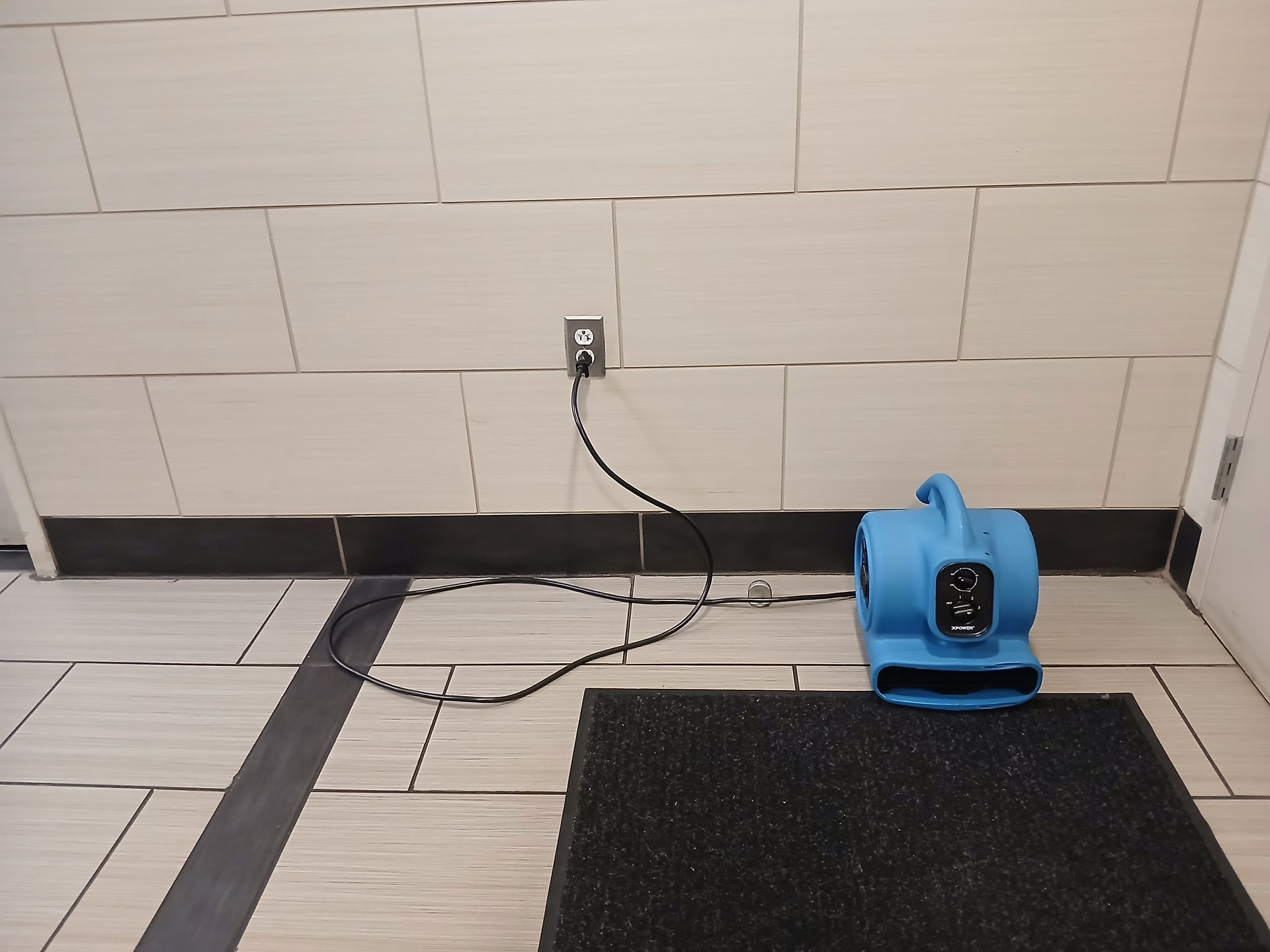
Extraction handles the water you can see. Structural drying handles the moisture still held in wood, gypsum and concrete after the water is gone. Air movers push air across wet surfaces while dehumidifiers pull that moisture from the air, letting materials keep releasing it.
Extraction and drying are two steps with two kinds of measurement; a written scope should name both.
A useful quote is built on a written scope, not a square-foot guess.
Small clean spills on hard floors can often be mopped or wet-vacuumed. Stop if water is near outlets, may be contaminated, or has reached porous materials; once framing or cavities are involved, extraction equipment and moisture measurement are needed.
Sooner limits how much gypsum, wood and carpet absorb, but source control and safety come first. Photograph the condition and move dry valuables before anything is removed.
Stay out of water near electrical or unknown contamination. Turn off the water if you can safely reach the valve, and do not use household fans to move air across sewage-affected water.
Extraction, drying and repair should each be named in the scope you approve.
Call for Quote (269) 461-9782Tell the quote team your address, water source and affected rooms. Confirm service availability and written terms.
Use this map for geographic orientation. Discuss the property's exact address and access directly with the contractor.
Use What to do when you find water damage in a Boise home to organize the relevant questions, then discuss your property and written scope through Call for Quote.