Scope the damaged materials
After drying, the affected area is measured and each damaged material is named—flooring, wallboard, trim, insulation or framing—so the repair list is explicit.

Service guide · Water damage restoration
Restoration turns a dried structure back into a sound, finished home by scoping damaged materials and coordinating their repair.
Tell the quote team your address, water source and affected rooms. Confirm service availability and written terms.
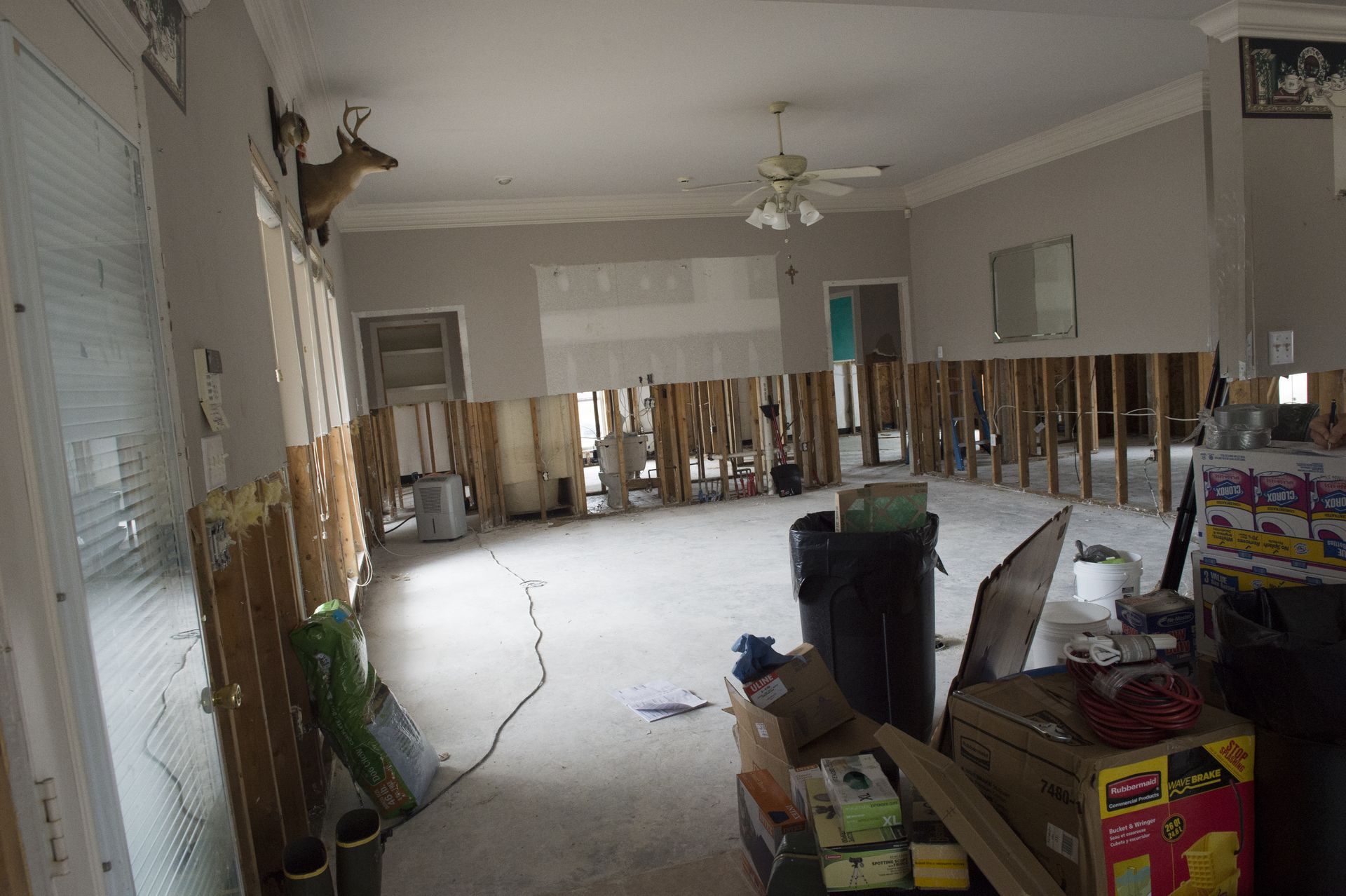
Repair follows a written scope, not an open-ended rebuild.
After drying, the affected area is measured and each damaged material is named—flooring, wallboard, trim, insulation or framing—so the repair list is explicit.
Framing, drywall, flooring and finish work are scheduled in the right order by the appropriate trades. Restoration manages the sequence; it does not replace licensed specialty work.
The work ends when materials are replaced, primed and finished to match the surrounding home, and the area is ready for normal use again.
Mitigation—extraction and drying—limits what must be replaced. Restoration—rebuilding—begins with dry materials and an agreed repair list. Keeping the two phases distinct keeps the scope easy to read: what gets removed and dried, and what gets rebuilt and finished.
Ask how the contractor separates the two, and who signs off when drying is complete before rebuild materials go in.
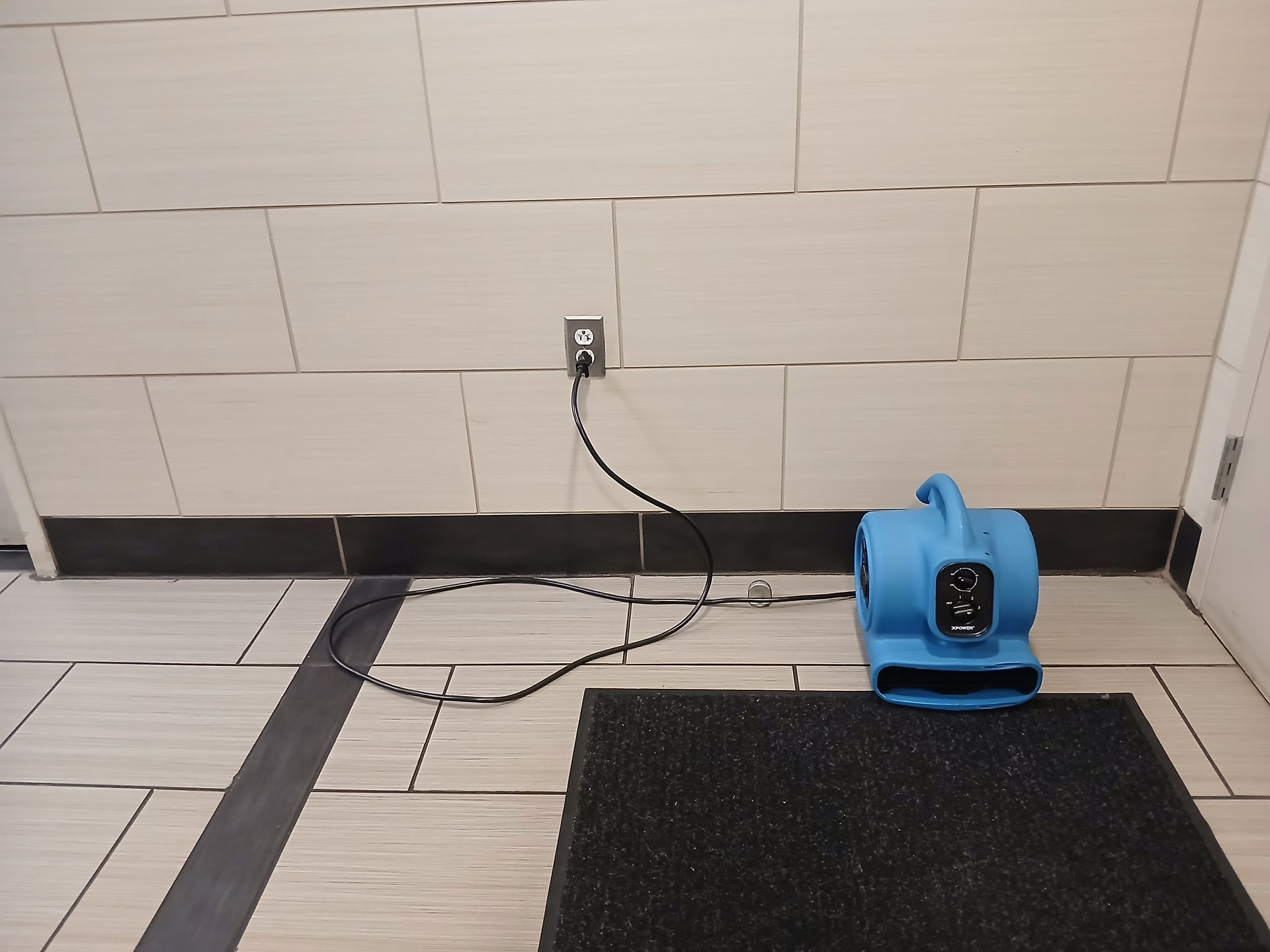
Clear boundaries and a written list keep restoration predictable.
After drying reaches its agreed targets. Starting rebuild while materials still hold moisture traps water behind new finishes. The written scope should name the dry-reading targets that release the rebuild phase.
The appropriate trades for each part—framing, drywall, flooring and finish. A restoration scope coordinates that sequence. Specialty work, such as electrical or plumbing repairs, belongs to licensed trades.
Approve a written list of materials, boundaries and handoffs rather than a verbal description. Each damaged material should be named, and rebuild should be separated from drying in the document.
Restoration is the rebuild after drying—named material by material in the scope you approve.
Call for Quote (269) 461-9782Tell the quote team your address, water source and affected rooms. Confirm service availability and written terms.
Use this map for geographic orientation. Discuss the property's exact address and access directly with the contractor.
Use Compare water-damage quotes by scope, not just total to organize the relevant questions, then discuss your property and written scope through Call for Quote.